

How AI-Controlled Homes Reduce Energy Usage
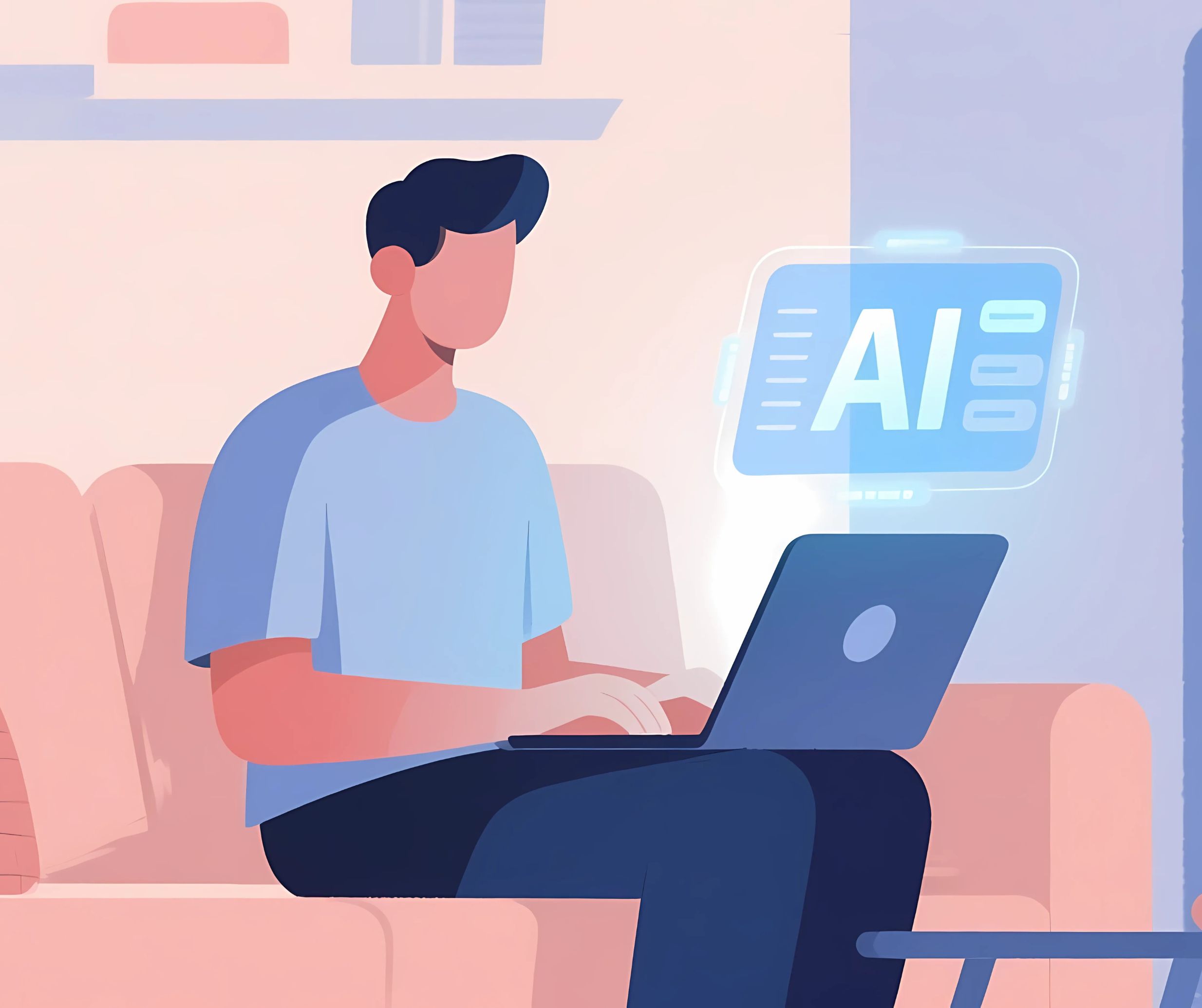
As energy costs rise and climate concerns grow, more households are turning to smart technologies to manage their energy use. One of the most powerful developments in this space is the use of artificial intelligence (AI) in home energy systems.
AI-controlled homes can automatically adjust heating, lighting, and appliance usage to improve efficiency, helping households reduce both their energy bills and their carbon footprint.
What is an AI-controlled home?
An AI-controlled home uses smart devices, sensors, and software to monitor and optimise how energy is used throughout the house.
These systems collect data from sources such as:
• Smart meters
• Smart thermostats
• Connected appliances
• Occupancy sensors
• Weather forecasts
Artificial intelligence then analyses this data and makes automatic adjustments to improve efficiency without requiring constant manual input from homeowners.
Over time, AI systems learn your daily routines, allowing them to predict when energy is needed and when it isn’t.
Smarter heating and cooling
Heating is typically the largest source of energy use in UK homes, especially during the colder months.
AI-powered heating systems can reduce waste by learning patterns such as:
• When you wake up and leave the house
• When rooms are typically occupied
• How quickly your home warms up or cools down
Instead of running heating systems continuously, AI can adjust temperatures automatically, ensuring rooms are warm when needed and saving energy when they’re not.
For example, if the system detects that no one is home, it can lower the heating and restore it before you return.
Intelligent appliance management
AI can also optimise how household appliances operate.
Some smart systems can schedule energy-intensive appliances, such as washing machines or dishwashers, to run during off-peak hours when electricity demand and prices are lower.
Other devices can automatically switch to standby or power-saving modes when not in use, reducing so-called “phantom energy” consumption.
Over time, these small optimisations can add up to significant energy savings across the entire home.
Smart lighting systems
Lighting may not be the biggest contributor to energy use, but inefficient usage can still waste electricity.
AI-powered lighting systems can:
• Turn lights off automatically when rooms are empty
• Adjust brightness based on natural daylight
• Learn when rooms are typically used
This ensures lights are only on when necessary, reducing unnecessary electricity consumption.
Integrating renewable energy
For homes with solar panels or battery storage, AI can help maximise the use of renewable energy.
For example, AI systems can:
• Prioritise using solar electricity when it’s available
• Store excess energy in home batteries
• Schedule appliances when solar generation is highest
This reduces reliance on electricity from the grid and helps households make the most of their renewable energy systems.
Reducing your carbon footprint
Optimising energy usage doesn’t just lower costs, it also reduces carbon emissions.
Residential buildings account for a significant share of global energy consumption, so improving efficiency at home can make a meaningful contribution to climate goals.
AI-controlled systems help reduce waste by ensuring energy is used only when and where it’s needed.
The future of intelligent energy management
As smart home technology becomes more affordable and widely adopted, AI-powered energy management is expected to become a standard feature in modern homes.
Advances in machine learning, smart meters, and connected devices are making it easier than ever for households to monitor and optimise their energy usage in real time.
This shift toward smarter homes will play a key role in reducing both household energy costs and overall carbon emissions.
Smarter insights with SmartGen
While AI-powered homes are transforming energy management, understanding your personal energy usage is the first step to reducing waste.
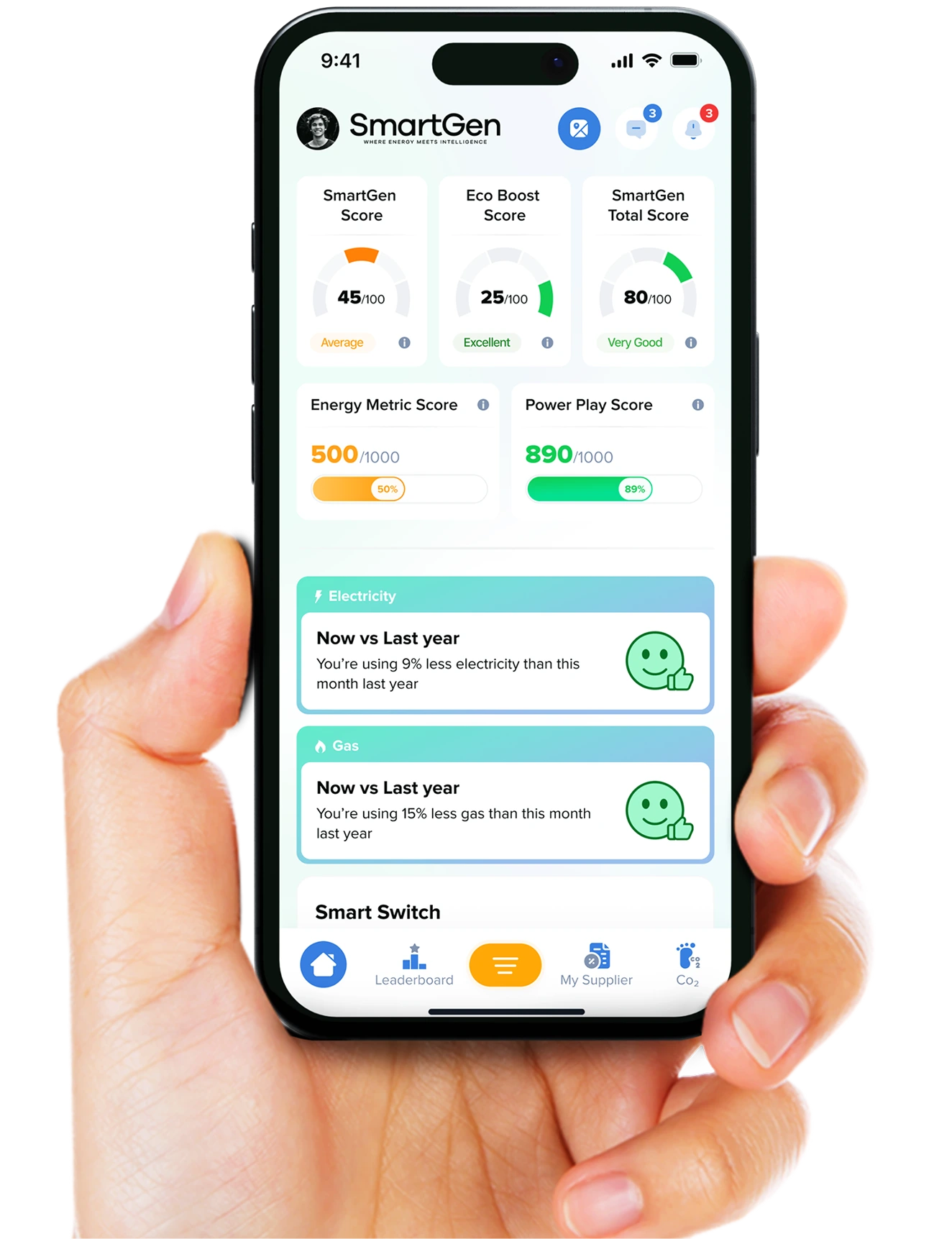
SmartGen analyses your live smart meter data to show exactly where you're overspending and gives you a clear, personalised plan to reduce your bills. It helps you identify energy-saving opportunities and understand your usage patterns in simple, actionable ways.
If you’d like to take control of your household energy consumption, Download SmartGen on the App Store
Because the smartest homes start with the smartest insights.