

Chancellor plans major intervention to help poorer UK households with rising energy bills
Millions of UK households could receive additional help with their energy bills as the government considers a major support package for people on lower incomes. With energy costs expected to rise again in the new year, Chancellor John Healey is reportedly preparing measures worth more than £1 billion to help families manage the growing pressure on household budgets.
The proposals are expected to feature in the government’s upcoming Budget, as ministers face increasing calls to protect vulnerable consumers from another period of high energy costs. However, final decisions have not yet been announced, and the scale of the support remains subject to change.
Warm Home Discount could increase
One of the main options under consideration is an increase to the existing Warm Home Discount scheme. The programme currently provides eligible households with a £150 discount on their energy bills, helping people receiving certain benefits and other qualifying groups manage their essential costs.
The Chancellor is reportedly considering increasing the discount by a further £100, potentially bringing the total support to £250 for eligible households. If approved, the additional funding would come from general taxation rather than being added to energy bills.
The scheme offers a practical way to provide targeted assistance because its existing framework is already in place. This could allow support to reach qualifying households more quickly than a completely new programme, although the precise details would depend on the government's final announcement.
Energy bills expected to rise again
The proposed intervention comes amid growing concern about another increase in household energy costs. The price cap rose in October 2026, and forecasts suggest bills could climb significantly further from January as higher wholesale energy prices feed through to consumers.
The continuing conflict involving Iran has contributed to volatility in international energy markets, particularly gas prices. Since the UK remains exposed to changes in global wholesale markets, geopolitical tensions can have a direct impact on the cost of supplying energy to homes and businesses.
For households already struggling with the cost of food, housing and other essentials, another increase could make it even harder to keep up with monthly payments. People on lower incomes are particularly vulnerable because energy bills can account for a larger proportion of their available income, leaving less money for other necessities.
Government considers wider changes to energy bills
While targeted financial support is one option, ministers are also debating more fundamental changes to how energy costs are funded.
Energy Secretary Miatta Fahnbulleh has reportedly advocated removing remaining policy levies from household energy bills and funding these schemes through general taxation instead. Such a change could reduce bills for a wider range of consumers, although it would involve a substantial cost to the public finances.
The proposal presents the government with a difficult choice. Moving these costs into taxation could provide broader relief and help ease inflationary pressure, but it would require decisions about how the additional spending should be funded. The Chancellor is also facing competing demands on public finances, making a large-scale reduction in bills more difficult to deliver.
For now, the government appears to be considering more targeted assistance for households most at risk of fuel poverty, rather than immediately adopting every proposed reform.
Could social tariffs offer a longer-term solution?
Beyond immediate discounts, officials are also examining potential changes to the way energy suppliers charge customers. One idea is a social tariff, under which eligible low-income households would pay less for the energy they use.
A properly designed scheme could help ensure that essential heating, lighting and hot water remain more affordable for people who struggle to cover their bills. However, introducing one would require a system for identifying eligible households and coordinating information between government departments, tax authorities and energy suppliers.
Another proposal is a rising block tariff. Under this approach, households would pay a lower rate for an initial amount of energy considered essential, with higher rates applying to consumption beyond that level.
Supporters argue that this could protect access to basic energy needs while encouraging households to avoid unnecessary consumption. However, any such system would need careful planning to account for differences between homes, including property size, insulation, household numbers and the needs of people who rely on electricity for heating or other essential purposes.
Neither approach is a straightforward, immediate replacement for existing support. Both would require detailed policy development and consideration of how different households could be affected.
Balancing immediate relief with long-term reform
The debate highlights a wider challenge facing the UK energy market: how to protect consumers from sudden price increases while creating a more affordable and resilient system for the future.
Short-term discounts can provide valuable help during periods of financial pressure, particularly for households with limited savings. However, they do not necessarily address the underlying reasons why energy remains expensive or prevent consumers from being exposed to future price shocks.
Longer-term reforms could look at how energy infrastructure is funded, how costs are distributed between consumers and taxpayers, and how the benefits of renewable electricity are passed on to households. Improving energy efficiency and reducing waste will also remain important in helping consumers manage their overall consumption.
The government's upcoming Budget could therefore be an important step in determining how energy support develops over the coming months. Until the measures are confirmed, households should treat reports about potential discounts and tariff changes as proposals rather than guaranteed savings.
Understand your energy use with SmartGen
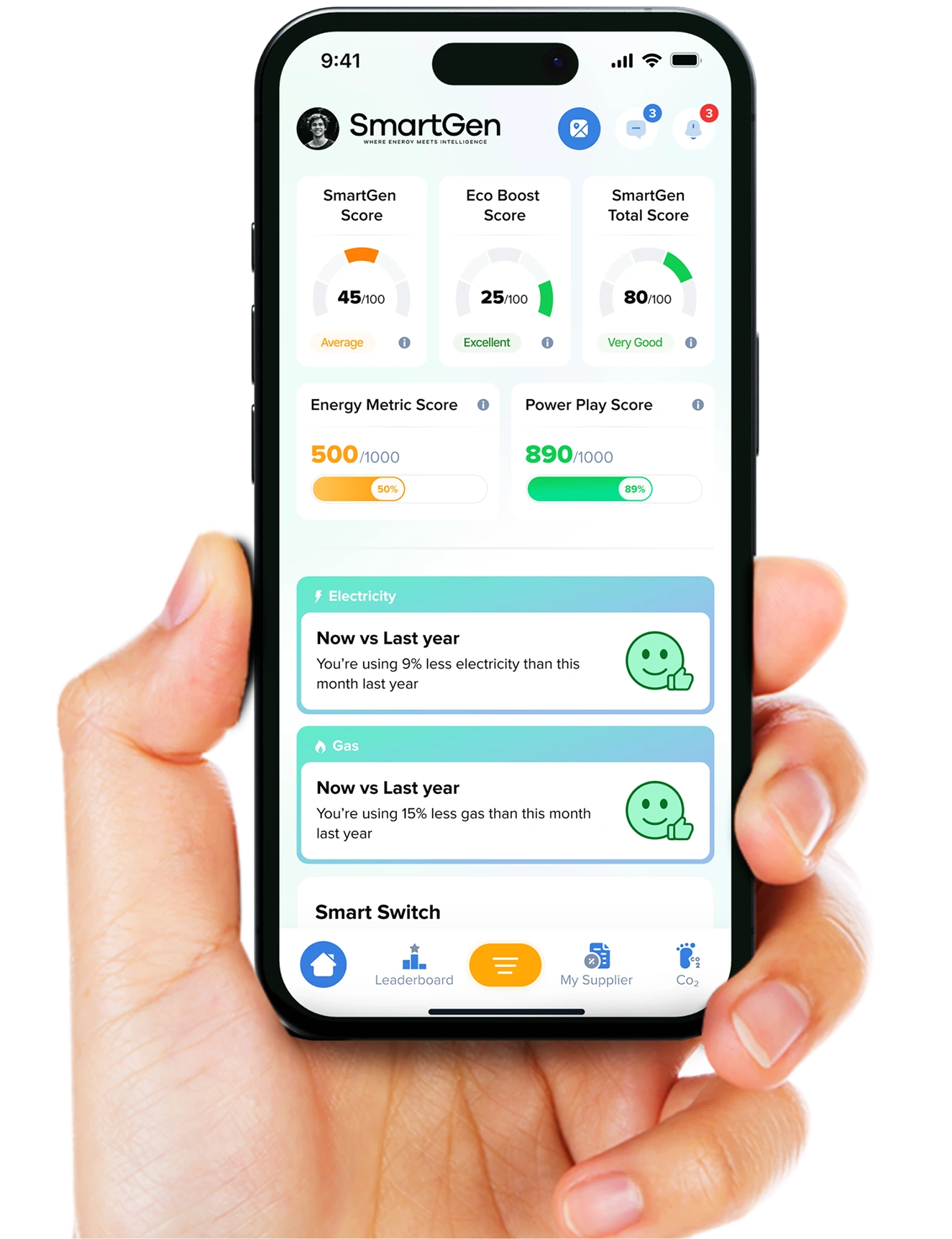
Alongside government support, understanding how and when energy is used at home can help households identify opportunities to reduce unnecessary consumption. SmartGen analyses live smart meter data to highlight energy usage patterns and periods of higher consumption. By making this information easier to understand, SmartGen helps users make more informed decisions about their energy habits, identify potential waste and find practical ways to improve efficiency and manage their bills.