

Simple ways to cut home energy
Cutting your home's energy use does not necessarily mean replacing your windows, installing expensive insulation or carrying out a major renovation.
With household energy bills still under pressure, smaller changes can be a useful way to reduce waste and make your home more efficient. Some improvements cost very little, while others simply involve changing how you use heating, hot water and appliances.
Here are some simple ways to start cutting your home's energy consumption.
Turn down your thermostat
Heating and hot water account for more than half of the energy used in a typical home, making heating one of the biggest opportunities for savings.
Try setting your thermostat to the lowest comfortable temperature rather than heating rooms more than necessary. Energy Saving Trust recommends a typical range of around 18-21°C, depending on your circumstances.
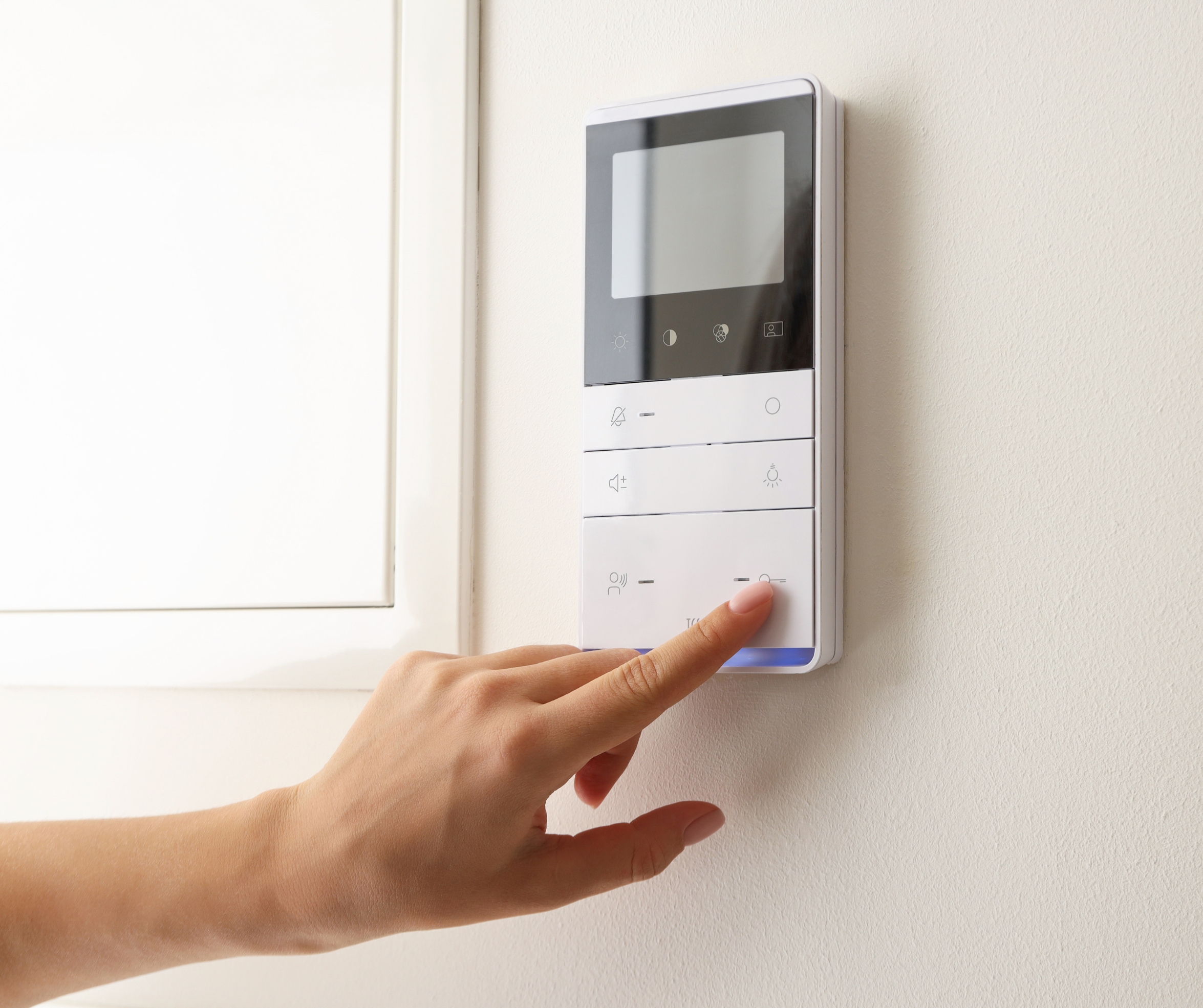
Using a programmer or smart heating controls can also help make sure your heating is only running when you actually need it.
There is little benefit in heating an empty home, so consider adjusting your schedule if you regularly spend several hours away.
Stop heat escaping through draughts
Draughts around doors, windows and other gaps can allow warm air to escape and cold air to enter.
Simple draught-proofing measures around windows and doors can reduce heat loss without requiring major building work. Letterbox draught excluders, door strips and suitable window seals are relatively inexpensive ways to tackle some of the most obvious gaps.
However, ventilation is important. Do not block trickle vents, airbricks, extractor fans or other ventilation designed to maintain good air quality. Homes with open fires or certain gas appliances also need appropriate ventilation.
Make your radiators work more effectively
If your radiators are struggling to heat a room, there may be simple improvements you can make before turning the thermostat higher.
Bleeding radiators can remove trapped air and help them operate more effectively. Radiator reflector panels can also be useful, particularly for radiators positioned against uninsulated external walls, by reflecting heat back into the room instead of allowing it to be absorbed by the wall.
Keeping furniture and curtains from blocking radiators can also help warm air circulate around the room.
Insulate your hot water tank
If your home has a hot water cylinder, improving its insulation can reduce the amount of heat lost from stored water.
Energy Saving Trust estimates that adding insulation to a poorly insulated hot water cylinder could save around £45 a year in Great Britain.
It is a relatively small improvement compared with a full home renovation, but it can continue saving energy every day.
Switch to LED lighting
Replacing older, inefficient light bulbs with LEDs is another straightforward improvement.
LED bulbs use considerably less electricity than traditional incandescent bulbs and can last much longer.
You can also reduce electricity consumption by simply switching lights off when rooms are not being used and making better use of natural daylight.
These savings may seem small individually, but reducing unnecessary electricity use across multiple rooms can add up over time.
Be smarter with appliances
Kitchen appliances and household electronics can also contribute to unnecessary energy consumption.
Try to avoid running washing machines or dishwashers when they are only partially full, and use eco programmes where they are suitable.
When replacing an appliance, look at its energy efficiency as well as its purchase price. A cheaper appliance can cost more over its lifetime if it consumes significantly more electricity.
It is also worth switching off devices that do not need to remain on rather than leaving them permanently in standby.
Reduce hot water waste
Heating water requires energy, so reducing unnecessary hot water use can lower both energy and water costs.
Shorter showers, avoiding unnecessarily hot water and making sure hot water is not being heated when it is not needed can all help.
Tap aerators can also reduce the amount of water flowing from taps while maintaining useful water pressure. Energy Saving Trust estimates that installing them in the kitchen and bathroom can reduce energy and water use.
Use curtains and blinds effectively
Your windows can have a surprisingly important effect on how comfortable your home feels.
During colder weather, closing curtains and blinds after dark can help reduce heat loss. During hot weather, keeping blinds or curtains closed when direct sunlight is hitting the windows can help prevent rooms from overheating.
This can reduce the need for additional heating in winter and cooling in summer without using extra electricity.
Consider insulation before a major upgrade
If you are prepared to spend more on improving your home, insulation can provide a more substantial long-term improvement.
Loft, cavity wall and floor insulation can reduce heat loss and make it easier to keep your home comfortable with less heating. However, not every property is suitable for every type of insulation, particularly older or traditionally constructed buildings. Professional advice can be useful before undertaking major work.
The important point is that you do not necessarily have to renovate your entire home at once.
Starting with the areas where the most heat is being lost can be a more practical approach.
Understand where your energy is going
Perhaps the most useful step is to understand your household's actual energy consumption.
It is easy to assume that heating, cooking or a particular appliance is responsible for most of your energy use, but your real consumption patterns may tell a different story.
A smart meter can provide information about when electricity and gas are being used, helping you identify periods of unusually high consumption.
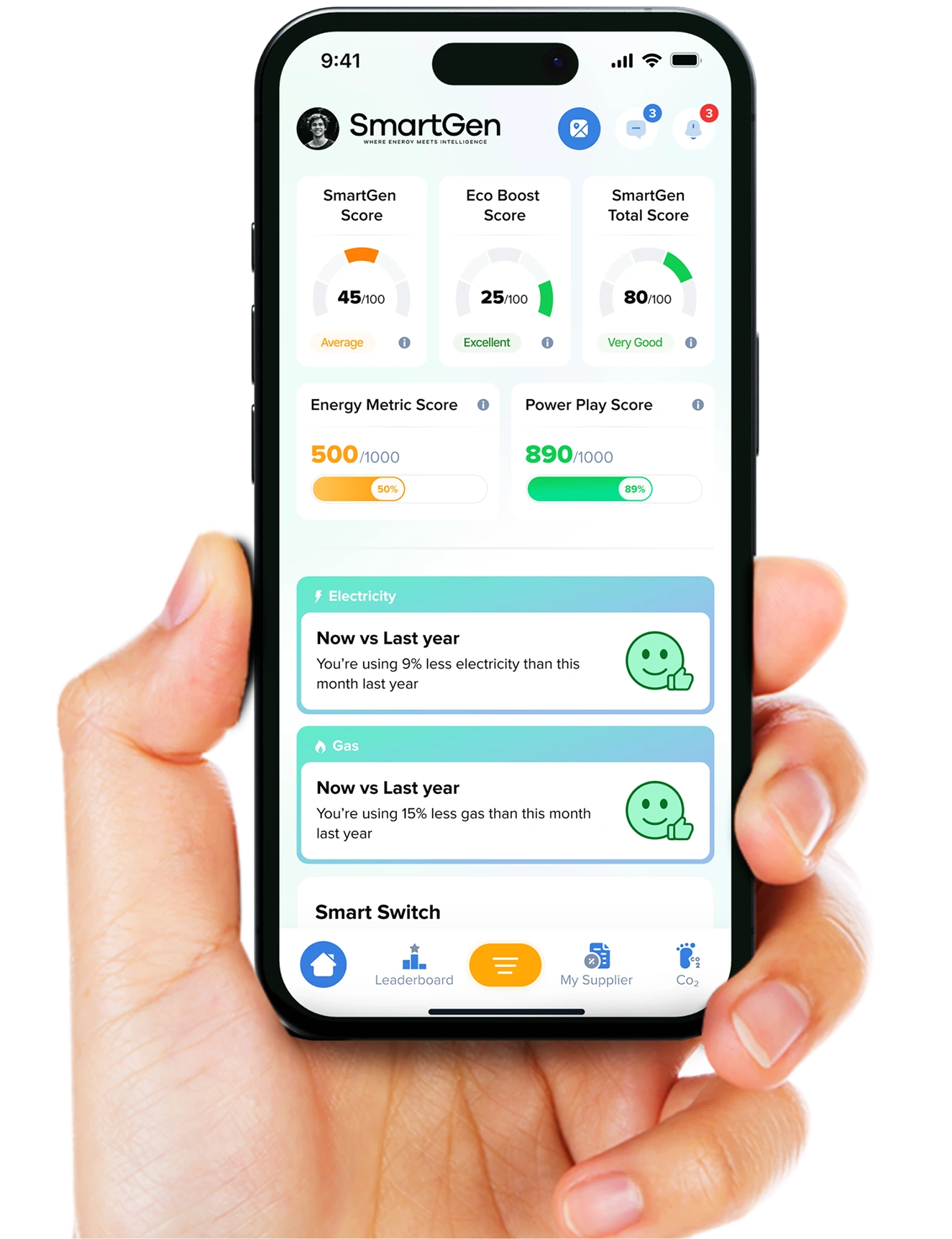
SmartGen makes this information easier to understand by analysing smart meter data and highlighting household energy-use patterns. By seeing when you consume the most energy, you can identify opportunities to reduce waste and make more informed decisions about how you use energy.
Small changes can make a difference
You do not need to undertake a complete home renovation to start using less energy.
Turning down the thermostat, controlling your heating schedule, sealing genuine draughts, improving hot water insulation, switching to LEDs and using appliances more efficiently can all contribute to lower consumption.
The biggest opportunity is different for every home, which is why understanding your own energy use is so important.
By starting with the simplest changes and gradually improving your home's efficiency, you can reduce wasted energy without having to take on the cost and disruption of a major renovation.