

Government urged to make flexible energy tariffs the standard
UK households could cut their electricity costs while helping the country make better use of renewable energy if flexible tariffs became the default option, according to new analysis from the Institute for Fiscal Studies (IFS).
The proposal comes as households continue to face high energy bills and the UK electricity system undergoes a major transition towards wind and solar power.
Rather than charging the same electricity rate throughout the day, flexible or time-of-use tariffs adjust prices according to when electricity is cheaper or more expensive to produce and supply.
The IFS says making these tariffs standard, rather than requiring households to actively seek them out, could reduce bills at relatively little cost to the government.
What are flexible energy tariffs?
A flexible tariff, also known as a time-of-use tariff, charges different prices at different times.
Electricity can be more expensive when demand is high, such as during the evening when millions of households are cooking, heating their homes and using appliances.
At other times, electricity can be considerably cheaper, particularly when renewable generation is abundant.
For example, a windy night can produce large amounts of electricity from offshore wind farms while household demand is relatively low. Instead of allowing that excess electricity to go unused, cheaper prices can encourage households to shift some of their consumption to that period.
This could mean running a washing machine overnight, charging an electric vehicle when electricity is cheapest or using a home battery to store lower-cost electricity for later.
Most households are not using them
Despite the potential benefits, flexible tariffs remain relatively uncommon.
Around 72% of British households now have smart meters, which can record electricity consumption at sufficiently detailed intervals to support time-of-use pricing.
However, only around one in 10 households currently uses a tariff that varies according to the time of day, week or month.
The IFS argues that this gap represents a major opportunity.
Rather than expecting consumers to understand the energy market and actively search for flexible tariffs, the government could make them the default option or introduce stronger incentives for suppliers to offer them.
Why could flexible tariffs lower bills?
The basic idea is to encourage households to use electricity when it is cheaper.
Under a conventional tariff, there is little financial difference between running an appliance at 2pm and 7pm.
But electricity demand and generation can look very different at those times.
Evening demand can be particularly high, while renewable generation may be falling as the sun sets. This can require more expensive generation and additional action from the electricity system to meet demand.
Flexible tariffs can encourage households to move some consumption away from these periods.
The more households participate, the greater the potential for demand to respond to the availability of electricity.
Flexible tariffs could also help renewable energy
The proposal is not simply about reducing household bills.
It could also help the UK make better use of its growing renewable energy capacity.
Wind and solar generation are variable. There are times when renewable generators produce more electricity than the grid can immediately use, while at other times generation is lower.
When electricity is abundant, prices can fall significantly.
If households respond to those price signals, more electricity could be consumed during periods of high renewable generation.
This could reduce the amount of clean electricity that has to be curtailed and potentially reduce the need for expensive balancing measures.
The IFS estimates that electricity system balancing costs could reach around £7 billion a year by 2030-31 without further reforms.
Electric vehicles and heat pumps could make the benefits bigger
Flexible tariffs become particularly interesting as households adopt more electric technologies.
Electric vehicles, heat pumps and home batteries all have some degree of flexibility.
An electric vehicle does not necessarily need to charge immediately after it is plugged in. A smart charger could wait until electricity prices are lower.
Similarly, a heat pump can potentially pre-heat a home during a cheaper period and reduce its electricity consumption during more expensive periods, provided the property and heating system are suitable.
Home batteries can go a step further by storing electricity when prices are low and supplying the home later.
This could allow households to become more active participants in the energy system rather than simply consuming electricity whenever they need it.
There are challenges to consider
Making flexible tariffs the default would not work equally well for every household.
Some people have limited ability to change when they use electricity. Households with young children, shift workers, medical equipment or other fixed energy requirements may have little flexibility.
There is also a risk that consumers could pay more if they are placed on a tariff they do not understand or are unable to adapt to.
Any move towards flexible pricing would therefore need strong consumer protections and clear information.
The IFS has suggested that the government could combine wider use of time-of-use tariffs with targeted support for households that are less able to shift their electricity consumption.
Smart meters could unlock the change
The UK's growing smart meter network is an important part of the argument for flexible tariffs.
Unlike traditional meters, smart meters can record electricity consumption at frequent intervals and allow suppliers to bill customers according to when electricity is used.
That infrastructure means the UK does not necessarily need to wait for every home to install new equipment before expanding time-of-use pricing.
However, consumers still need simple ways to understand their consumption.
Knowing that electricity is cheaper at a certain time is useful, but households also need to know how much energy they are actually using and which activities are driving their bills.
A smarter way to manage household energy
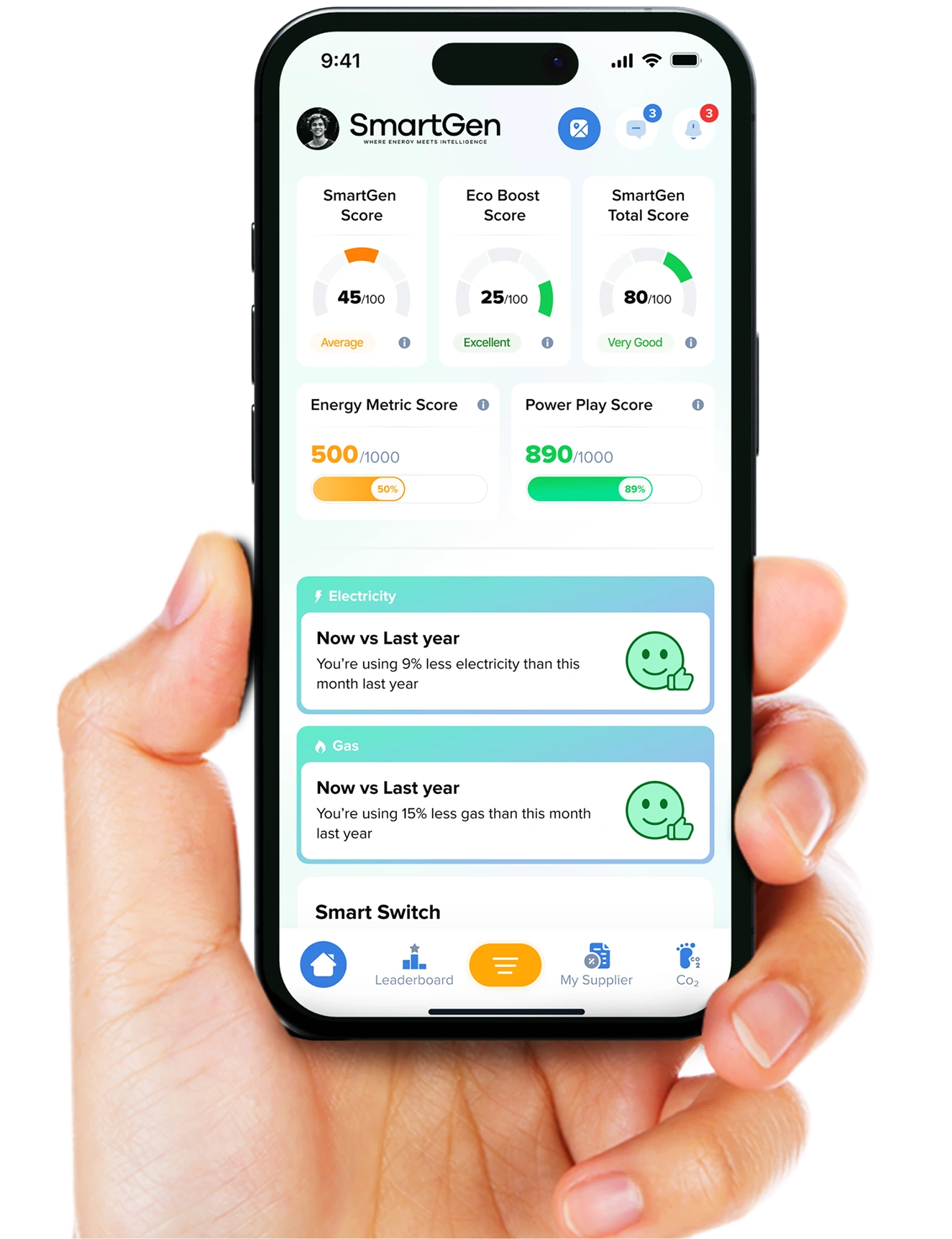
SmartGen helps households understand their energy consumption by analysing smart meter data and highlighting when energy is being used. This can make it easier to spot high-consumption periods and identify opportunities to shift usage or reduce unnecessary energy waste.
As flexible tariffs become more common, tools that help households understand their real-time and historical energy use could become increasingly valuable.
Could flexible tariffs become the future?
The UK's electricity system is changing rapidly.
As more wind and solar power comes online, the traditional model of paying broadly the same price for electricity throughout the day becomes less suited to a system where the cost and availability of electricity can vary significantly from hour to hour.
Flexible tariffs could help bridge that gap.
If consumers are given a clear financial reason to use electricity when it is abundant and cheap, households could potentially lower their bills while helping the grid absorb more renewable energy.
The challenge for government will be finding the right balance between encouraging flexibility and protecting households that cannot easily change when they use electricity.
With smart meters already installed in the majority of British homes, the infrastructure for a more flexible energy system is increasingly in place. The next question is whether the government is prepared to make flexible tariffs the norm rather than something only a minority of households actively seek out.